
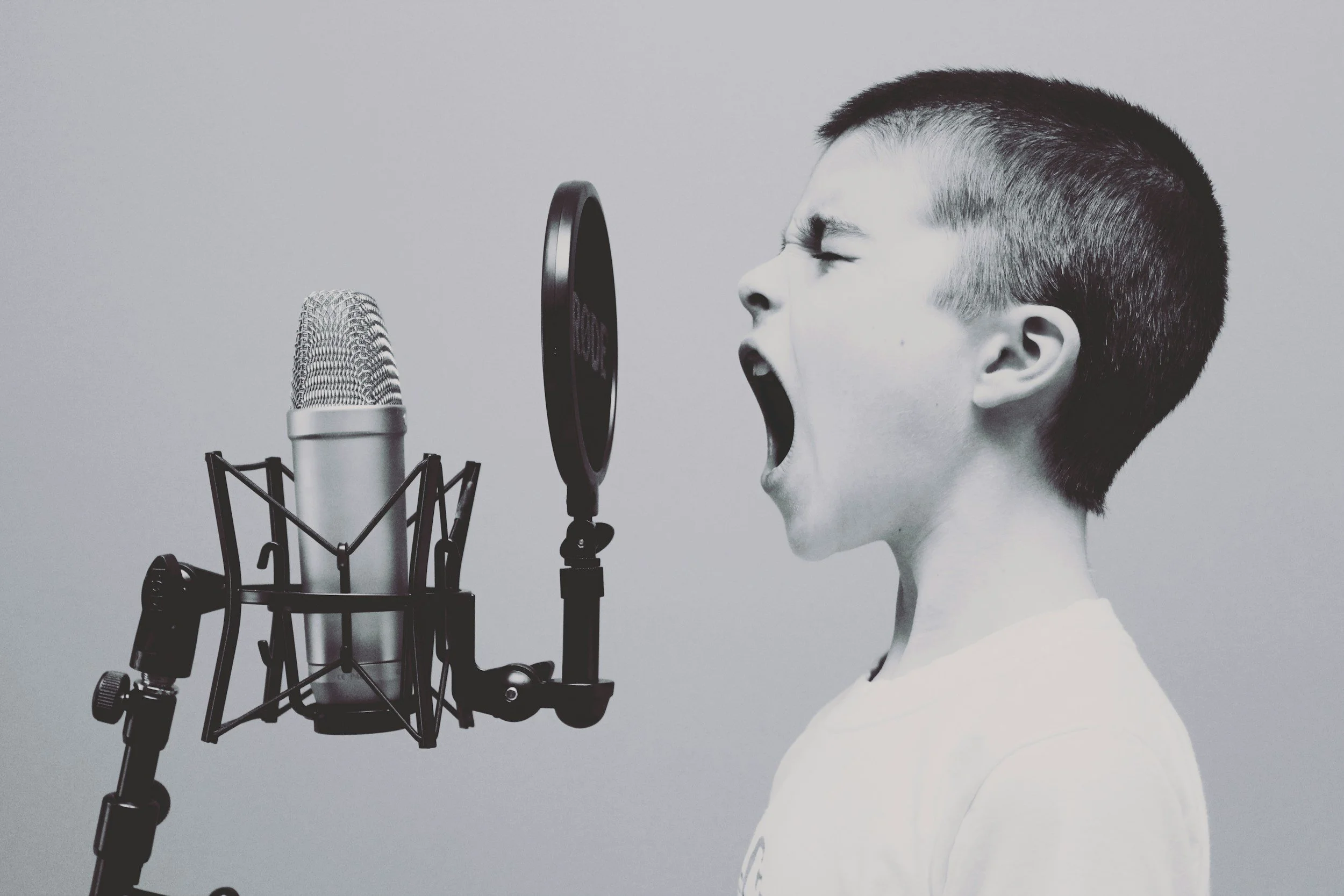
Stop "Should-ing" on Yourself: How Your Inner Critic Is an Unhelpful Friend
That voice in your head. The one that wakes you up at 3 AM to itemise your failures. The one that whispers you're "lazy" if you take a break, or "stupid" if you make a mistake. You call it your conscience. You might even believe it’s helping you—driving you towards success, preventing you from getting complacent.
I call it your Inner Critic, and frankly, it’s not your friend. It’s an unhelpful, aggressive saboteur rooted in your past. The toxic noise it generates is built almost entirely on the word "should."
"I should have worked harder." "I should be further along by now." "I should never let my family down."
If you’re struggling with self-esteem, anxiety, or burnout, it’s time to stop listening to this tyrannical voice and understand where it came from and why it lies to you.

The Emotional Hangover: How Not Expressing Your Anger Is Making You Depressed
In therapy, we often see that suppressed anger—anger that is denied, swallowed, or turned inward—is a major, hidden contributor to anxiety and depression, particularly for men struggling with the confines of the male gender script.

Shame
At its core, shame is an intensely painful feeling of being fundamentally flawed, unworthy, or unacceptable. It’s not just about doing something wrong (that’s guilt); it’s about being wrong. Think of guilt as saying, "I made a mistake," while shame whispers, "I am a mistake." This distinction, highlighted in the work of researchers like Brené Brown, is crucial. Shame attacks our very sense of self.
So, how does this potent emotion take root?